
What is folklore?
Folklore can be described as the collective knowledge, traditions and cultural expressions that communities pass from one generation to another.
It includes much more than dance.
Folklore can live through:
music and dance
stories and oral traditions
festivals and rituals
traditional clothing and adornment
crafts and handmade arts
food and traditional recipes
customs and beliefs
community traditions
Some of these traditions are hundreds of years old. Others continue changing as societies change.
That is precisely what makes folklore so fascinating.
It connects the past with the present.

Why do we celebrate folklore on 22 August?
There is a fascinating story behind the date.
On 22 August 1846, a letter appeared in the British literary journal The Athenæum. It had been written by English antiquarian and writer William John Thoms, using the pseudonym Ambrose Merton.
In that letter, Thoms proposed a new expression for what had previously been described with terms such as “popular antiquities” and “popular literature.”
His suggestion was:
Folk-Lore — “the lore of the people.”
It was the first known appearance of the word folk-lore in print. Thoms used it to describe traditions including customs, beliefs, superstitions, ballads, proverbs, legends and other knowledge preserved among ordinary people.
More than 180 years later, 22 August has become internationally associated with celebrating folklore and the traditions communities pass from generation to generation.
You may sometimes see claims that UNESCO formally created World Folklore Day in 1960. However, an official UNESCO resolution establishing the date is difficult to verify. What is clearly documented is UNESCO's important international role in protecting what it calls intangible cultural heritage — or living heritage.
In 2003, UNESCO adopted the Convention for the Safeguarding of the Intangible Cultural Heritage, recognizing that cultural heritage is not limited to monuments and objects. It also includes living traditions, performing arts, oral traditions, social practices, rituals, festive events, traditional craftsmanship and knowledge transmitted between generations.
And that idea brings us directly to what folklore means today.

Folklore is not something that belongs in a museum
Traditional culture is sometimes presented as if it were frozen in history.
Something beautiful to display.
Something people used to do.
But living culture does not work like that.
Folklore exists because people continue practicing it.
It lives in families, neighborhoods, celebrations, kitchens, music, festivals and community gatherings.
A grandmother teaching a family recipe is transmitting culture.
Parents teaching their children songs from their childhood are transmitting culture.
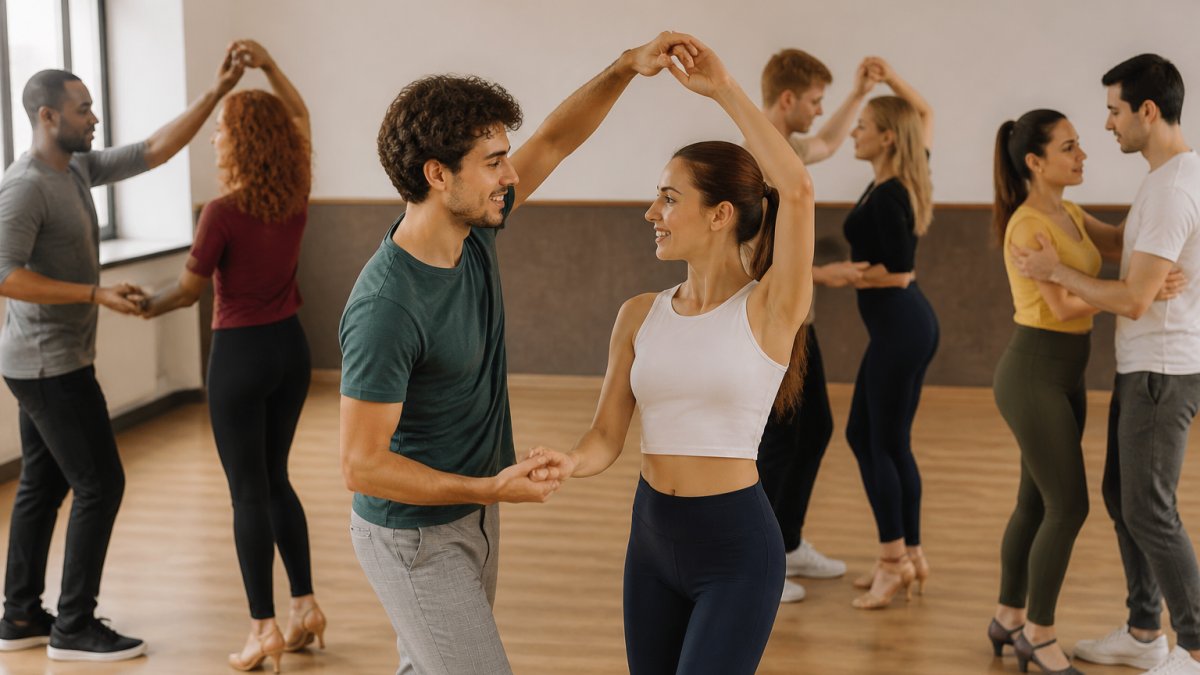
People gathering to dance a rhythm learned generations ago are transmitting culture.
And communities adapting old traditions to the reality of life today are also keeping culture alive.
Folklore does not survive simply because someone documents it.
It survives because people continue giving it meaning.





Comments